A Vision Born from Inclusion, Justice and Opportunity
PLIAS was founded on a simple but powerful belief: that every individual, regardless of their background or circumstances, deserves the opportunity to rebuild their life, realise their potential, and contribute positively to society.
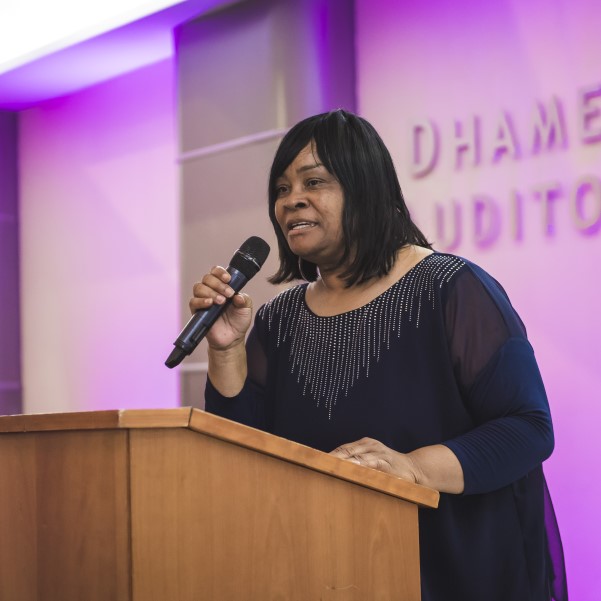
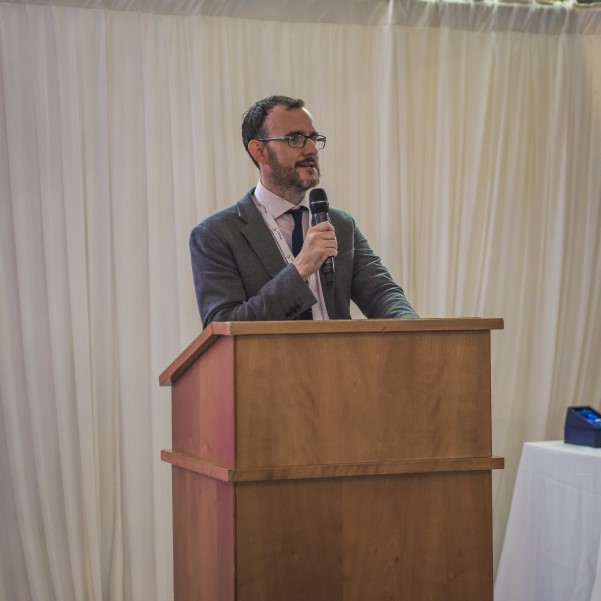
Established by Norma Hoyte and Thomas Chandler, PLIAS has grown from a vision of supporting disadvantaged and marginalised communities into a respected organisation delivering specialist services across criminal justice, resettlement, community development, domestic abuse, domestic homicide, violence prevention and social inclusion.
Together, the founders combined their extensive expertise in criminal justice, public policy, local government and organisational development to create an organisation committed to reducing inequalities, strengthening communities and improving outcomes for some of society’s most vulnerable individuals.
Timeline of Evolution and Growth
Pre-2004 – Concept & Formation
PLIAS Resettlement emerged from years of discussion and community concern around crime, victimisation, and the cycle of re-offending in London communities. The idea was rooted in creating a holistic, community-based response to support both offenders and those at risk.
September 2004 – Organisation Formed
PLIAS Resettlement was initially formed as a community initiative focused on:
- Reducing re-offending
- Supporting reintegration into society
- Addressing root causes of criminal behaviour
December 2005 – Formal Incorporation
- Officially incorporated as PLIAS Resettlement Ltd
- Registered as a company limited by guarantee in England
- Established as a structured not-for-profit organisation
2007 – Charity Registration
- Registered as a UK charity (No. 1119468)
- Formalised charitable objectives including:
- Preventing re-offending
- Supporting resettlement of ex-offenders
- Providing education, training, and employment pathways
2005–2015 – Foundation Years & Service Development
During its early years, PLIAS:
- Built partnerships across Brent and West London
- Delivered support services to:
- Ex-offenders
- Individuals at risk of offending
- Victims of crime
- Established its reputation as a community-led rehabilitation organisation
Leadership during this period included early governance figures such as:
- David Truswell (Chair in later years)
- Norma Hoyte (Director/Company Secretary)
- Tom Chandler (Director)
2015–2020 – Growth & Programme Expansion
- Expanded services to include:
- Youth prevention programmes
- Support for women affected by violence
- Employment and training initiatives
- Strengthened multi-agency partnerships across London boroughs
- Continued focus on reducing re-offending and improving life chances
2020–Present – Innovation & Impact
- Delivery of structured programmes such as employability and mentoring initiatives
- Secured funding and evaluation partnerships (e.g., youth-focused programmes, and service provision for domestic abuse and violence against women and girls (VAWG) initiatives and support for survivors
- Expanded reach through partnership working on Domestic Abuse Related Death Reviews (DARDRs). Representation via in-house Accredited Domestic Homicide Chair (DHR) specialising on intercultural competence and context for Black and minoritised homicide victims
- Expanded reach across multiple London boroughs including:
- Brent
- Barnet
- Ealing
- Hammersmith & Fulham
- Harrow
Continuing the Legacy
Today, PLIAS continues to build upon the founders’ vision by delivering high-quality services that place dignity, equality, inclusion and opportunity at the heart of everything it does.
The organisation remains committed to creating safer communities, empowering individuals and influencing positive systemic change for future generations.
As PLIAS continues to evolve, it does so by building on the vision of its founders while embracing new opportunities to develop and upskill others and, by creating sustainable programmes for progression and social impact within the communities they serve.